
When people buy a new tennis racquet, they usually compare the weight first.
But weight is only part of the story.
Two racquets can weigh exactly the same yet feel completely different to swing. The reason is balance.
A racquet’s balance determines where its weight is distributed. Some racquets carry more weight in the head, while others concentrate it closer to the handle. This changes how the racquet moves through the air and how it feels at impact.
Understanding racquet balance can help you choose equipment that better suits your game.
Quick Answer
A tennis racquet can be:
- Head Light (HL) – more weight in the handle, making the racquet easier to manoeuvre.
- Even Balance (EB) – weight distributed evenly throughout the racquet.
- Head Heavy (HH) – more weight in the head, helping generate additional power.
There isn’t one balance that’s best for everyone. It depends on your playing style and preferences.
What Does Racquet Balance Mean?
Balance refers to where the weight is located within the racquet.
Imagine placing your racquet across your finger until it balances perfectly.
The point where it balances is called the balance point.
If this point is closer to the handle, the racquet is head light.
If it’s closer to the head, the racquet is head heavy.
If it’s near the middle, it’s considered evenly balanced.
Head Light Racquets
Head light racquets have more weight concentrated towards the handle.
Although they may weigh exactly the same as another racquet, they feel quicker through the air because less weight is located in the head.
Many advanced players prefer head light racquets because they are easier to manoeuvre during fast exchanges.
Advantages
- Faster racquet-head speed.
- Easier to volley.
- Quicker reactions.
- Easier grip changes.
- Less tiring during rapid exchanges.
Disadvantages
- Can produce less effortless power.
- May feel less stable if extremely head light.
Head Heavy Racquets
Head heavy racquets place more weight in the upper part of the frame.
This increases momentum through the ball and can make it easier to produce depth and pace with shorter swings.
Many beginner and recreational racquets use a slightly head heavy balance.
Advantages
- Easier power.
- Greater momentum.
- Helps shorter swings.
- Comfortable for recreational players.
Disadvantages
- Slower to manoeuvre.
- Harder to react at the net.
- Can feel heavier than the listed weight suggests.
Even Balance Racquets
Even balance racquets sit between the two extremes.
They aim to combine reasonable manoeuvrability with solid power.
Many club players enjoy even balance because it performs well in a wide range of situations.
Balance Comparison
| Balance | Power | Manoeuvrability | Stability | Best For |
|---|---|---|---|---|
| Head Light | ⭐⭐⭐☆ | ⭐⭐⭐⭐⭐ | ⭐⭐⭐⭐☆ | Advanced players, doubles, all-court tennis |
| Even Balance | ⭐⭐⭐⭐☆ | ⭐⭐⭐⭐☆ | ⭐⭐⭐⭐☆ | Most club players |
| Head Heavy | ⭐⭐⭐⭐⭐ | ⭐⭐⭐☆☆ | ⭐⭐⭐⭐☆ | Beginners and players wanting more power |
Does Balance Affect Power?
Yes—but not as much as many people think.
A head heavy racquet carries more weight through contact, making it easier to produce power with slower swings.
However, stronger players often create more power with a head light racquet because they can swing it faster.
This is why there is no universally “most powerful” balance.
Does Balance Affect Spin?
Indirectly.
A head light racquet is generally easier to accelerate, helping many players generate greater racquet-head speed.
Higher racquet-head speed often leads to more topspin.
At the same time, some players prefer the added momentum of a head heavy racquet.
The best choice depends on your swing mechanics rather than a simple specification.
Which Balance Is Best for Beginners?
Many beginner racquets are slightly head heavy.
This provides extra power without requiring exceptionally fast swings.
As players improve their technique, many gradually move towards an even balance or head light racquet to gain greater control and manoeuvrability.
Which Balance Do Professionals Use?
Most professional players use head light racquets.
Although their racquets are generally heavier overall, concentrating more weight in the handle helps them swing quickly while maintaining excellent control.
It’s important to remember that professional racquets are usually customised, so balance specifications vary considerably from player to player.
Common Myths
“Head heavy always means more power.”
Not always.
If a player can swing a head light racquet faster, they may actually produce more power.
Technique remains the biggest factor.
“Head light racquets are only for professionals.”
False.
Many recreational players enjoy the quicker handling of a head light racquet, especially in doubles.
“Balance and weight are the same thing.”
No.
Two racquets can weigh exactly the same but feel completely different because their weight is distributed differently.
Frequently Asked Questions
What is a head light tennis racquet?
A head light racquet has more weight concentrated towards the handle, making it easier to manoeuvre.
What is a head heavy tennis racquet?
A head heavy racquet places more weight in the head of the frame, helping generate additional momentum and power.
Is head light or head heavy better?
Neither is universally better.
Head light racquets favour manoeuvrability, while head heavy racquets make power easier to generate.
Why do professionals use head light racquets?
Head light balance allows professionals to swing quickly while maintaining excellent control during fast rallies.
Can you make your racket head heavier?
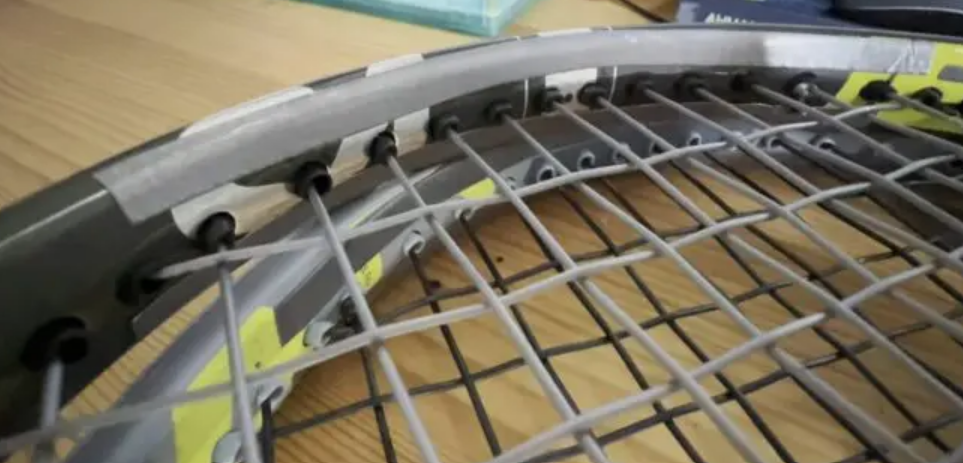
Yes, you can. Using small amounts of lead tape in the right areas of the frame, can make the head heavier, and re-balance the frame to suit.
Final Thoughts
Racquet balance is one of the most misunderstood specifications in tennis.
Two racquets may weigh exactly the same, yet one can feel quick and agile while the other feels solid and powerful. The difference comes down to where the weight is distributed.
Understanding the relationship between weight, balance and swingweight will help you choose equipment that complements your game rather than simply copying what someone else uses.
Continue Reading
- The Ultimate Tennis Glossary
- Tennis Racquet Weight Explained
- How to Hold a Tennis Racquet
- Tennis Grip Size Guide
Read more of our instructional articles here.
Read more of our player focus articles here.
Follow The Tennis Site on X: @thetennissite
Follow Todd Scoullar on X: @toddscoullar

Comments are closed, but trackbacks and pingbacks are open.