
Quick Answer
The biggest difference between pressurized and pressureless tennis balls is how they create their bounce.
- Pressurized tennis balls contain compressed air inside the ball, giving them a lively bounce and softer feel. They are used in almost all matches and tournaments.
- Pressureless tennis balls rely on their thicker rubber core rather than internal air pressure. They stay playable much longer but feel firmer and slightly heavier.
Most recreational and competitive players should use pressurized balls, while pressureless balls are an excellent choice for coaching, ball machines and practice.
What Are Pressurized Tennis Balls?
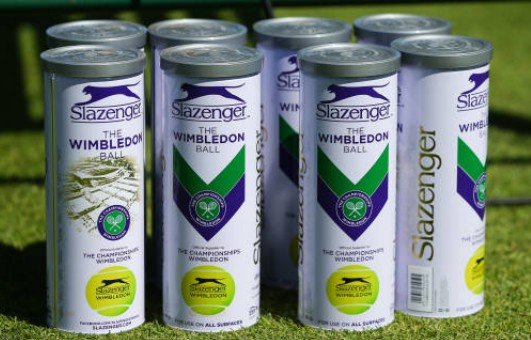
Pressurized tennis balls are the balls used in virtually every professional tournament and most recreational matches.
Inside each ball is compressed air at a pressure greater than the surrounding atmosphere. This internal pressure helps create the lively bounce players expect.
Once the can is opened, however, that pressure slowly begins to escape through the rubber.
Eventually the ball loses its bounce even if the felt still looks almost new.
If you’d like a general overview of tennis balls, see Tennis Balls Explained
What Are Pressureless Tennis Balls?
Pressureless tennis balls contain little or no internal pressure.
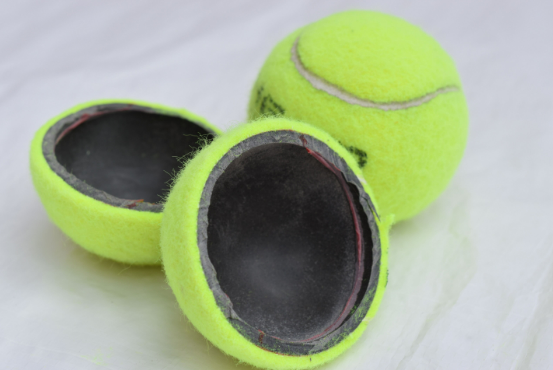
Instead, they achieve their bounce from a thicker, denser rubber core.
Because they don’t rely on trapped air, they don’t “go flat” in the same way as pressurized balls.
In fact, many pressureless balls actually become slightly better to play with after a period of use as the felt softens.
The Main Differences
| Feature | Pressurized | Pressureless |
|---|---|---|
| Bounce | Higher initially | Consistent over time |
| Feel | Softer | Firmer |
| Weight | Slightly lighter feel | Slightly heavier feel |
| Lifespan | Shorter | Much longer |
| Tournament Use | Yes | No |
| Ball Machines | Occasionally | Excellent |
| Coaching | Good | Excellent |
Bounce
The most noticeable difference is the bounce.
A brand-new pressurized ball feels lively and responsive.
As it loses pressure, however, the bounce gradually decreases.
Pressureless balls start with a firmer feel but maintain a more consistent bounce over months—or even years—of regular use.
Durability
🏆 Winner: Pressureless
Pressureless balls are designed to last.
They don’t lose internal pressure, so they remain usable far longer than pressurized balls.
For clubs, coaches and frequent practice sessions, this makes them much more economical.
Feel
🏆 Winner: Pressurized
Most players prefer the softer feel of pressurized balls.
They compress more easily at impact, making them feel more comfortable and more forgiving.
This is one reason virtually every professional match uses pressurized balls.
Which Balls Do Professionals Use?
Professional tournaments use pressurized tennis balls.
Major tournaments replace the balls regularly—often after the first seven games and then every nine games thereafter—to ensure consistent bounce throughout the match.
Pressureless balls are never used in professional competition.
Which Balls Are Best for Ball Machines?
Pressureless balls are generally the preferred choice.
Since ball machines fire hundreds or even thousands of balls during practice, pressureless balls offer much better value because they last significantly longer.
Many coaches also use pressureless balls for the same reason.
Which Balls Should Recreational Players Buy?
For most players, the answer is simple.
Choose Pressurized Balls if you:
- Play matches.
- Compete in tournaments.
- Want the same feel as professional tennis.
- Prefer a softer ball.
Choose Pressureless Balls if you:
- Own a ball machine.
- Coach regularly.
- Practise frequently.
- Want maximum durability.
Some players even keep both types—pressurized balls for matches and pressureless balls for practice.
Common Myths
“Pressureless balls don’t bounce.”
False.
Pressureless balls bounce perfectly well—they simply create that bounce differently.
“Pressureless balls last forever.”
Not quite.
While they don’t lose pressure, the felt eventually wears away and the rubber gradually hardens.
“Professionals use pressureless balls.”
No.
Every professional tournament uses pressurized balls that are replaced regularly throughout matches.
Frequently Asked Questions
Which tennis ball lasts the longest?
Pressureless tennis balls generally last much longer because they don’t lose internal air pressure.
Why do pressurized balls go flat?
Over time, compressed air slowly escapes through the rubber shell, reducing the ball’s bounce.
Are pressureless balls good for beginners?
Yes.
They’re an affordable option for practice and coaching, although many beginners still prefer the softer feel of pressurized balls.
Can pressureless balls be used in matches?
Yes, for casual play.
However, organised tournaments almost always require pressurized balls.
Which type is best for a ball machine?
Pressureless tennis balls are usually the best choice because they maintain their bounce for much longer.
Final Thoughts
Choosing between pressurized and pressureless tennis balls comes down to how and where you play.
If you’re playing matches or simply want the traditional feel of tennis, pressurized balls are the clear choice. Their lively bounce and softer response are what most players expect on court.
If your priority is durability, regular practice or feeding hundreds of balls through a ball machine, pressureless balls offer exceptional value and long-term consistency.
Understanding the strengths of each type will help you choose the right ball for every session.
Continue Reading
- Tennis Balls Explained
- When Should You Replace Tennis Balls?
- Why Are Tennis Balls Yellow?
- Tennis Ball Types Explained
- Tennis Balls: The Complete Guide
Read more of our instructional articles here.
Read more of our player focus articles here.
Follow The Tennis Site on X: @thetennissite
Follow Todd Scoullar on X: @toddscoullar

Comments are closed, but trackbacks and pingbacks are open.