
Quick Answer
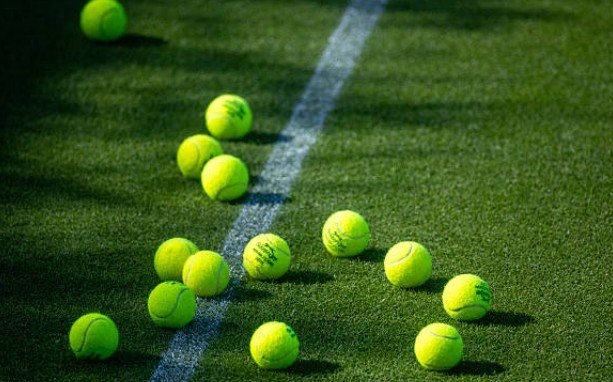
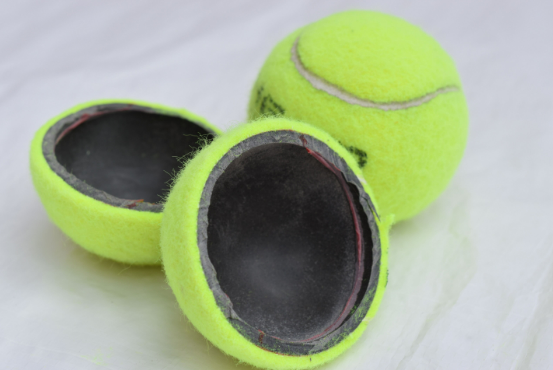
A tennis ball is made from a hollow rubber core covered in a felt outer layer. Although all tennis balls may look similar, they vary in construction, speed, durability and intended use.
Choosing the right tennis ball depends on your age, playing level, court surface and whether you’re playing socially or competitively.
What Is a Tennis Ball?
The tennis ball is one of the most recognisable pieces of sporting equipment in the world, yet most players give little thought to what’s inside it.
Modern tennis balls are carefully engineered to provide a consistent bounce, predictable flight and long-lasting performance across a variety of court surfaces.
While all approved tennis balls must meet strict specifications, manufacturers produce different models for different types of players.
What Is a Tennis Ball Made Of?
Every tennis ball has two main components:
- A hollow rubber core
- A woven felt covering
The rubber core provides the bounce, while the felt affects the ball’s speed, spin and durability.
The felt also creates friction with the air, slowing the ball during flight and making topspin and slice possible.
Why Are Tennis Balls Yellow?
Although many people assume tennis balls have always been yellow, they were traditionally white.
In 1972, the International Tennis Federation approved yellow balls because they were easier for television viewers to see.
Today, almost all competitive tennis is played with yellow balls.
Are All Tennis Balls the Same?
No.
Manufacturers produce different balls for different purposes.
Some are designed for professional tournaments, while others are made for social play, coaching or junior development.
The main differences include:
- Bounce
- Durability
- Felt thickness
- Internal pressure
Understanding these differences helps players choose the right ball for their needs.
Pressurised Tennis Balls
Most players use pressurised tennis balls.
These contain air under pressure inside the rubber core, producing a lively bounce and responsive feel.
Advantages include:
- Excellent performance
- Consistent bounce
- Preferred for competition
The downside is that they gradually lose pressure, even if they’re not used.
Pressureless Tennis Balls
Pressureless balls rely on the elasticity of the rubber rather than internal air pressure.
Advantages include:
- Extremely durable
- Long lifespan
- Ideal for coaching and ball machines
However, many players find them firmer and less lively than pressurised balls.
Tennis Ball Types
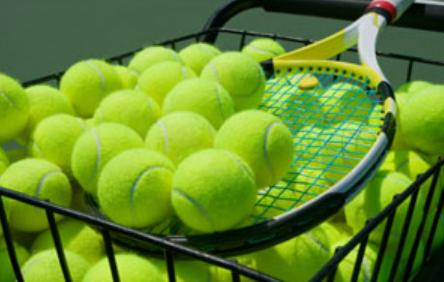
Although the standard yellow ball is the most common, there are several categories.
Regular Duty
Designed primarily for clay and indoor courts.
The thinner felt reduces the amount of clay collected during play.
Extra Duty
Built for hard courts.
The thicker felt improves durability on abrasive surfaces.
High-Altitude Balls
Designed for locations above approximately 1,200 metres (4,000 feet).
These balls are slightly less pressurised to compensate for the thinner air.
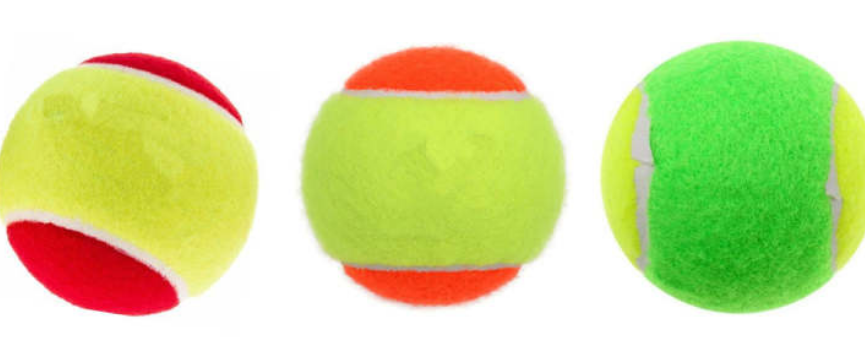
Stage Balls
Junior players use slower balls that help them develop technique.
These include:
- Red Ball
- Orange Ball
- Green Ball
Each stage bounces lower and travels more slowly than a standard yellow ball.
How Long Do Tennis Balls Last?
The lifespan depends on the type of ball and how often it’s used.
For most recreational players:
- Match balls usually perform at their best for one or two matches.
- Social players often use the same balls for several sessions.
- Pressureless balls can last for months.
As balls lose pressure, they bounce lower and become less predictable.
How to Choose the Right Tennis Ball
For most players:
- Hard courts → Extra Duty balls
- Clay courts → Regular Duty balls
- Beginners → Stage balls where appropriate
- Club competition → Premium pressurised balls
- Coaching or ball machines → Pressureless balls
Choosing the correct ball improves both enjoyment and performance.
Common Myths
“All tennis balls are identical.”
While they may look similar, different balls are designed for different playing conditions and levels.
“More expensive tennis balls always last longer.”
Premium balls often provide better performance, but not necessarily a longer lifespan.
“Pressureless balls are poor quality.”
Pressureless balls simply serve a different purpose and are ideal for coaching and frequent practice.
Frequently Asked Questions
What is inside a tennis ball?
A hollow rubber core filled with pressurised air (or solid rubber in pressureless designs) and covered with a woven felt outer layer.
Why are tennis balls fuzzy?
The felt creates air resistance, slows the ball and helps players generate spin.
Are all tennis balls yellow?
For most competitive tennis, yes. Junior development programs also use red, orange and green balls.
What is the difference between regular duty and extra duty tennis balls?
Regular duty balls are intended mainly for clay and indoor courts, while extra duty balls are designed to withstand the wear of hard courts.
How do I choose the right tennis ball?
Consider the court surface, your playing level and how you’ll use the ball. Most recreational players on hard courts will be best served by an extra duty pressurised tennis ball.
Final Thoughts
Tennis balls may seem simple, but they’re engineered with remarkable precision. Differences in pressure, felt and construction all influence how the ball performs, making it worthwhile to choose a ball that matches your court surface and playing style.
Whether you’re competing in tournaments, enjoying a social hit or introducing a child to the game, understanding the different types of tennis balls will help you get more out of every session.
Continue Reading
- Pressurised vs Pressureless Tennis Balls
- When Should You Replace Tennis Balls?
- Why Are Tennis Balls Yellow?
- How to Choose a Tennis Racquet
- Tennis String Tension Explained
Read more of our instructional articles here.
Read more of our player focus articles here.
Follow The Tennis Site on X: @thetennissite
Follow Todd Scoullar on X: @toddscoullar

Comments are closed, but trackbacks and pingbacks are open.