
Quick Answer
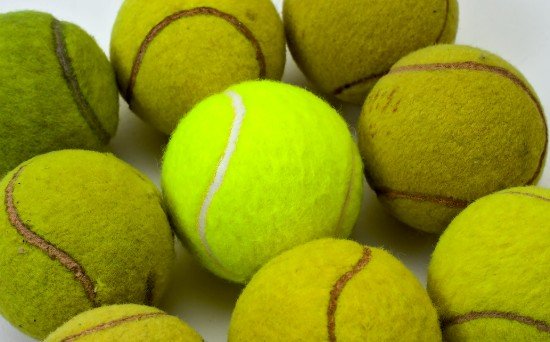
Tennis balls should be replaced when they lose their bounce, become soft, or the felt wears down enough to noticeably affect play.
For most recreational players:
- Competitive matches: Every match or every few hours of play.
- Club players: Every 2–6 sessions.
- Social players: Every few weeks.
- Pressureless balls: Only when the felt becomes badly worn.
How long a ball lasts depends on the type of ball, the court surface and how often you play.
Why Tennis Balls Wear Out
Unlike many pieces of tennis equipment, tennis balls are designed to wear out.
Every time the ball strikes:
- the court
- the racquet
- another ball
- the net
it loses a tiny amount of performance.
Eventually the ball:
- loses pressure
- loses bounce
- loses speed
- loses its felt
The result is a ball that simply doesn’t play the way it was designed to.
How Long Do Pressurized Tennis Balls Last?
Pressurized balls are used in almost every match.
Once the can is opened, they immediately begin losing internal pressure.
Typical lifespan:
| Player Type | Typical Lifespan |
|---|---|
| Professional tournaments | 7 games initially, then every 9 games |
| Competitive players | 1–2 matches |
| Club players | 2–6 hitting sessions |
| Social players | Several weeks |
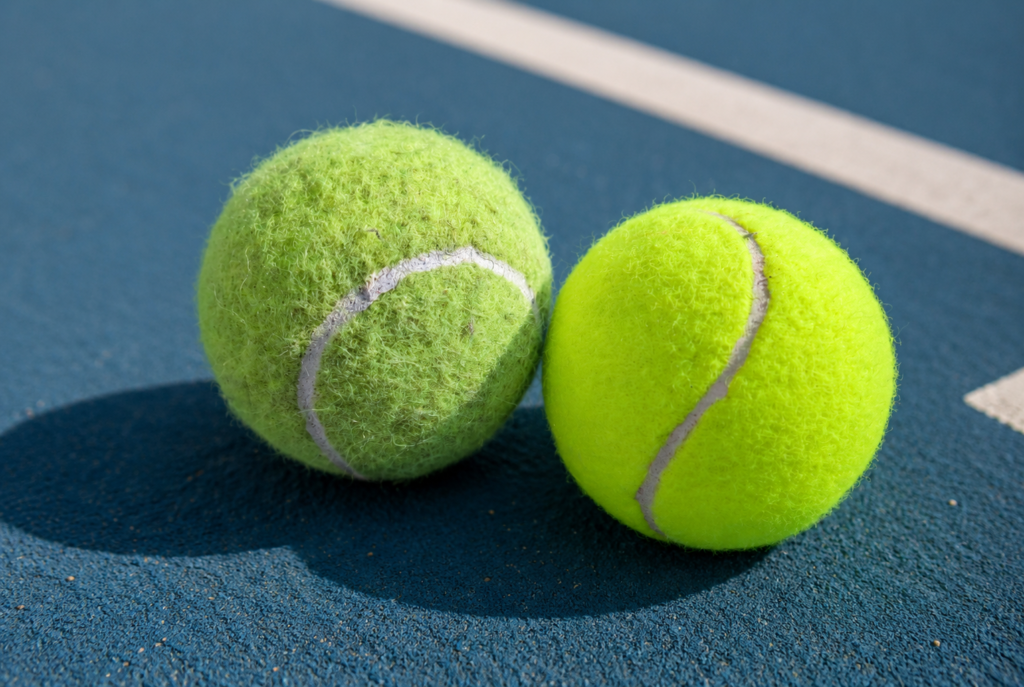
Even if they still look new, pressurized balls gradually lose their lively bounce.
How Long Do Pressureless Balls Last?
Pressureless balls are different.
Instead of relying on internal air pressure, they bounce because of their thicker rubber core.
As a result, they can remain playable for months.
Many coaches and clubs use the same pressureless balls for hundreds of hours before replacing them.
If you’re unsure about the difference, read Pressurized vs Pressureless Tennis Balls
Five Signs It’s Time to Replace Your Tennis Balls
1. They Don’t Bounce Like They Used To
This is the biggest clue.
If the ball feels “dead” or doesn’t spring off the court as expected, it’s probably time for a new set.
2. The Felt Is Worn Away
The fuzzy felt isn’t just cosmetic.
It affects:
- Spin
- Control
- Aerodynamics
As the felt wears away, the ball becomes faster and harder to control.
3. The Ball Feels Soft
A pressurized ball should feel firm.
If you can easily squeeze it with your fingers, it has probably lost too much internal pressure.
4. The Ball Looks Smooth
New tennis balls have thick, fluffy felt.
Old balls often become shiny and smooth.
This changes how they move through the air and bounce off the court.
5. They Feel Different From Each Other
Sometimes players keep using balls from different sessions.
This leads to one ball bouncing much higher than another.
For consistent play, all balls in a set should have similar bounce and wear.
Does Court Surface Matter?
Absolutely.
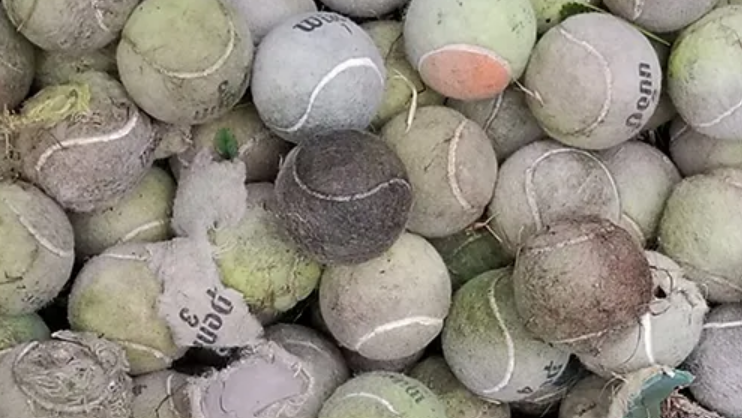
Different court surfaces wear balls at different rates.
Hard Courts
Hard courts are the toughest on tennis balls.
The abrasive surface quickly wears away the felt.
Clay Courts
Clay is generally gentler on the felt, although the balls quickly become covered in clay dust.
Grass Courts
Grass is usually the least abrasive surface.
Balls often retain their felt longer than on hard courts.
Can You Store Tennis Balls to Make Them Last Longer?
Proper storage can help, but it can’t stop the natural ageing process.
To maximise lifespan:
- Store balls indoors.
- Avoid extreme heat.
- Keep them out of direct sunlight.
- Leave unopened cans sealed until needed.
Once opened, pressurized balls will gradually lose pressure regardless of storage.
Do Professional Players Use New Balls More Often?
Yes.
Professional tournaments replace balls regularly to ensure consistent playing conditions.
Typically:
- New balls begin the match.
- They are changed after the first seven games.
- After that, they are replaced every nine games.
This guarantees a consistent bounce throughout the match.
Can Old Tennis Balls Still Be Useful?
Definitely.
Even if they’re no longer suitable for matches, old tennis balls can still be used for:
- Practice serves
- Coaching drills
- Ball machines
- Dog toys
- Furniture leg protectors
- Physiotherapy exercises
Many clubs also recycle used tennis balls through specialist recycling programs.
Common Myths
“If the felt looks good, the ball is still good.”
Not always.
Pressurized balls often lose bounce long before the felt wears out.
“Pressureless balls never wear out.”
False.
Although they don’t lose pressure, the felt and rubber eventually wear down.
“Old balls help improve control.”
Usually the opposite.
Dead balls often produce inconsistent bounce and make timing more difficult.
Frequently Asked Questions
How often should recreational players replace tennis balls?
Most recreational players should replace pressurized balls every two to six hitting sessions, depending on how often they play.
How do you know if a tennis ball is dead?
A dead ball feels softer, bounces lower and often has worn or flattened felt.
Why do professional tournaments change balls so often?
To ensure every player competes with consistent bounce and speed throughout the match.
Do pressureless balls last longer?
Yes.
They generally remain playable much longer because they don’t rely on internal air pressure.
Can old tennis balls still be used?
Yes.
They’re perfectly suitable for many practice drills, coaching sessions and off-court uses.
Final Thoughts
Tennis balls don’t last forever, and knowing when to replace them can make a noticeable difference to your game.
Fresh balls provide a more predictable bounce, better consistency and a playing experience that’s much closer to what the sport is designed to offer. While casual players can often get several sessions from a set of balls, competitive players will usually benefit from replacing them much more frequently.
By paying attention to bounce, felt and overall condition, you’ll know exactly when it’s time to open a fresh can.
Continue Reading
- Tennis Balls Explained
- Pressurized vs Pressureless Tennis Balls
- Why Are Tennis Balls Yellow?
- Tennis Ball Types Explained
- Tennis Balls: The Complete Guide
Read more of our instructional articles here.
Read more of our player focus articles here.
Follow The Tennis Site on X: @thetennissite
Follow Todd Scoullar on X: @toddscoullar

Comments are closed, but trackbacks and pingbacks are open.