
Quick Answer
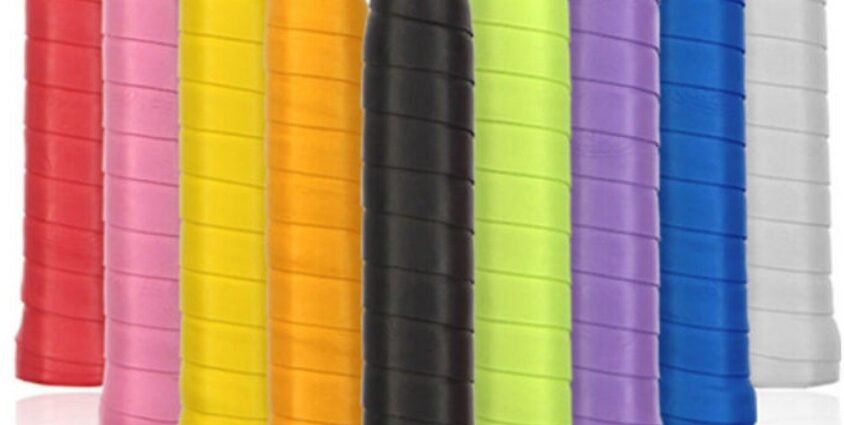
A tennis overgrip is a thin layer of material wrapped over your racquet’s replacement grip to improve comfort, grip and moisture absorption.
Most players use overgrips because they:
- Improve grip.
- Absorb sweat.
- Protect the replacement grip.
- Are inexpensive and easy to replace.
Choosing the right overgrip depends on whether you prefer a tacky or dry feel, how much you sweat and how often you play.
What Is a Tennis Overgrip?
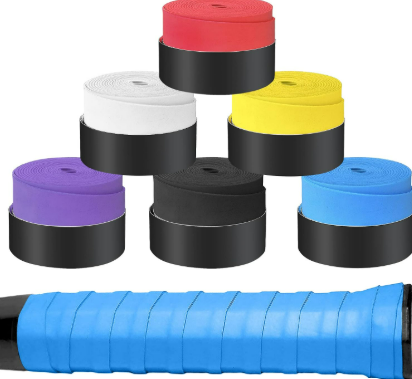
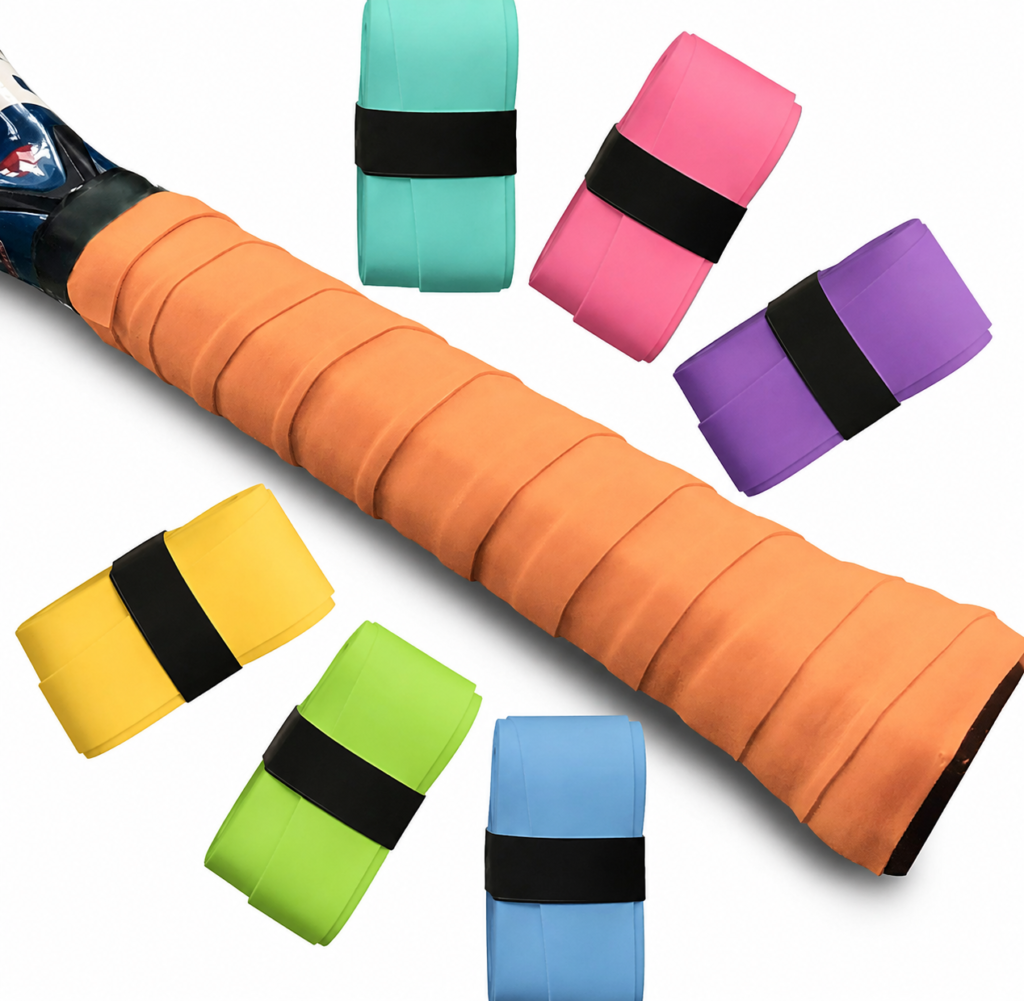
An overgrip is a thin strip of material that wraps around the outside of your racquet handle.
Unlike a replacement grip, it isn’t designed to provide cushioning. Instead, it gives players a fresh gripping surface that can easily be replaced whenever it becomes worn.
Most overgrips measure between 0.4 mm and 0.7 mm thick and are available in a wide range of colours, textures and materials.
If you’re unsure how overgrips differ from replacement grips, read Tennis Overgrip vs Replacement Grip
Why Do Players Use Overgrips?
Overgrips have become one of the most common accessories in tennis.
They provide several important benefits.
Better Grip
A fresh overgrip provides a secure connection between your hand and the racquet.
As grips wear down, they become slippery and harder to hold consistently.
Sweat Absorption
Many overgrips are specifically designed to absorb moisture.
Players who sweat heavily often change overgrips regularly to maintain a dry, secure grip throughout a match.
Protecting the Replacement Grip
Because the overgrip takes most of the wear, the replacement grip underneath lasts much longer.
Replacing an overgrip costs only a fraction of replacing the main grip.
Comfort
Although thin, many overgrips add a small amount of cushioning and create a softer feel.
Tacky vs Dry Overgrips
This is the biggest decision most players make.
Tacky Overgrips
Tacky overgrips have a slightly sticky surface that helps the racquet stay securely in your hand.
Advantages
✔ Excellent grip
✔ Comfortable feel
✔ Popular with many recreational players
Disadvantages
✘ Can become slippery as sweat builds up
✘ Wear slightly faster
Dry Overgrips
Dry overgrips focus on absorbing moisture rather than creating stickiness.
Advantages
✔ Excellent for sweaty hands
✔ Consistent grip in hot conditions
✔ Popular in humid climates
Disadvantages
✘ Less sticky
✘ May feel rougher
Which Type Is Right for You?
Choose a Tacky Overgrip if you:
- Prefer a softer feel.
- Don’t sweat heavily.
- Play mainly in cooler weather.
- Like a secure, sticky grip.
Choose a Dry Overgrip if you:
- Sweat heavily.
- Play in hot or humid conditions.
- Want maximum moisture absorption.
- Prefer a firmer feel.
Do Overgrips Change Grip Size?
Yes, but only slightly.
Adding an overgrip usually increases the grip size by around half a grip size, depending on the brand and thickness.
Some manufacturers also produce extra-thin overgrips for players who want to minimise this effect.
If you’re unsure about grip sizing, see Tennis Grip Size Guide
How Often Should You Replace an Overgrip?
This depends on how often you play.
A good rule of thumb is to replace it when it becomes:
- Slippery
- Dirty
- Torn
- Worn smooth
Typical replacement intervals:
| Player | Replace Every |
|---|---|
| Professional | Every match or even more often |
| Competitive club player | Every 3–6 sessions |
| Recreational player | Every few weeks |
| Occasional player | When grip noticeably wears |
Because overgrips are inexpensive, replacing them regularly is one of the easiest ways to improve your racquet’s feel.
Popular Overgrip Materials
Although every manufacturer has its own formula, most overgrips are made from synthetic polyurethane-based materials.
Some focus on:
- Tackiness
- Moisture absorption
- Durability
- Softness
Each brand offers a slightly different feel, so many players experiment before settling on a favourite.
Common Myths
“You only need an overgrip if you’re an advanced player.”
False.
Players of all abilities benefit from the improved comfort and grip that overgrips provide.
“Overgrips last for months.”
Not usually.
Even if they don’t tear, most overgrips gradually lose their tackiness and moisture absorption.
“All overgrips feel the same.”
No.
Different brands vary considerably in thickness, tackiness, softness and durability.
Frequently Asked Questions
What is the purpose of a tennis overgrip?
An overgrip improves grip, absorbs sweat and protects the replacement grip underneath.
Are overgrips worth using?
Yes.
They’re inexpensive, easy to replace and can noticeably improve the feel of your racquet.
How often should I change my overgrip?
Whenever it becomes slippery, dirty or worn. Competitive players often replace them every few sessions.
Can I put an overgrip directly onto the racquet handle?
It’s possible, but overgrips are designed to be wrapped over a replacement grip.
Which is better: tacky or dry overgrips?
Neither is universally better.
Tacky grips suit players who want maximum stickiness, while dry grips are often preferred by players with sweaty hands.
Final Thoughts
A quality overgrip is one of the simplest and most affordable upgrades you can make to your tennis racquet.
Whether you prefer a tacky surface or a dry, moisture-absorbing feel, replacing your overgrip regularly helps maintain comfort, control and confidence on court. By protecting the replacement grip underneath, overgrips also extend the life of your racquet handle while allowing you to customise its feel to suit your game.
Continue Reading
- Tennis Overgrip vs Replacement Grip
- Replacement Grips Explained
- Tennis Grip Size Guide
- How to Choose a Tennis Racquet
- The Complete Guide to Tennis Equipment
Read more of our instructional articles here.
Read more of our news articles here.
Follow The Tennis Site on X: @thetennissite
Follow Todd Scoullar on X: @toddscoullar

Comments are closed, but trackbacks and pingbacks are open.