
Quick Answer
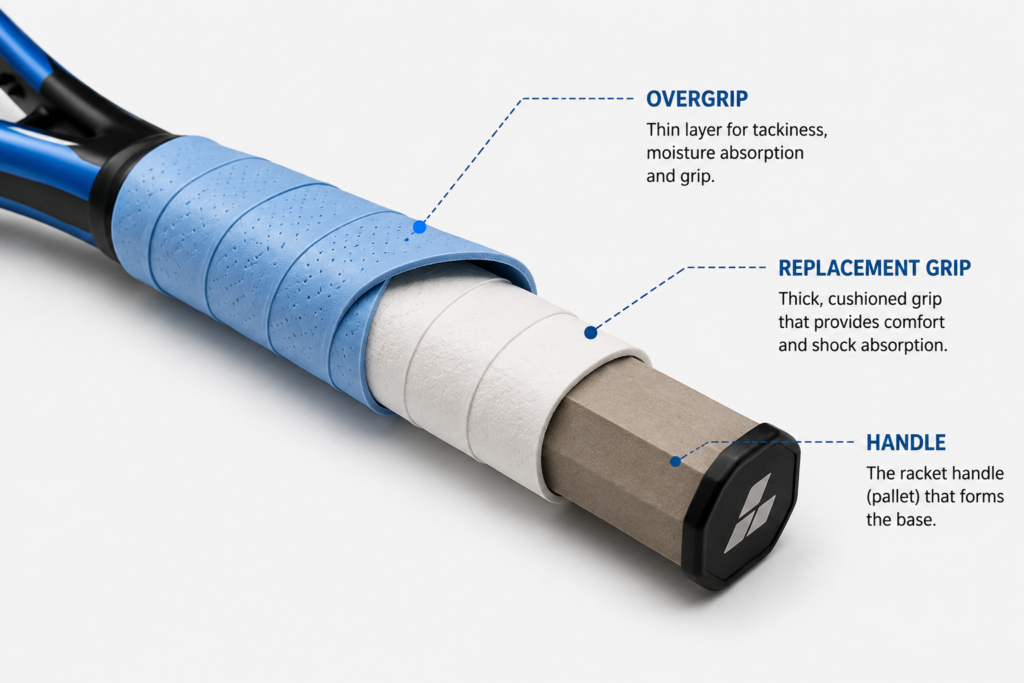
A replacement grip is the main grip fitted directly to your tennis racquet’s handle. It provides cushioning, comfort and shock absorption, forming the foundation of your grip.
Unlike an overgrip, which wraps over the top and is replaced regularly, a replacement grip is thicker, lasts much longer and is only changed when it becomes worn or loses its cushioning.
What Is a Replacement Tennis Grip?
Every new tennis racquet comes with a replacement grip already installed.
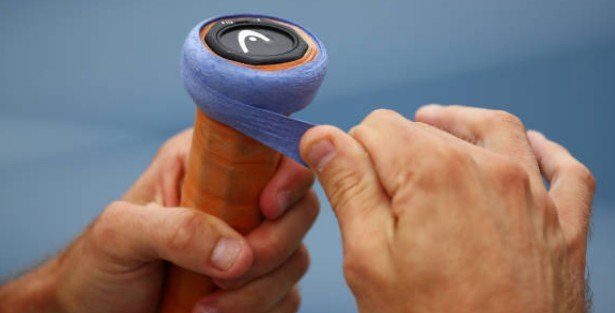
It wraps directly around the handle and is secured with adhesive, creating the main surface you hold while playing.
Most players then add an overgrip on top, but the replacement grip remains the most important layer because it determines much of the racquet’s comfort and feel.
If you’re unsure about the difference, read Tennis Overgrip vs Replacement Grip.
What Does a Replacement Grip Do?
Although it may seem like a simple strip of material, a replacement grip performs several important functions.
Cushioning
Replacement grips are much thicker than overgrips, helping absorb impact and making the racquet more comfortable to hold.
Shock Absorption
The grip helps reduce the amount of vibration reaching your hand after striking the ball.
While it won’t eliminate vibration entirely, it contributes to a more comfortable hitting experience.
Comfort
The softness of the grip affects how secure and relaxed the racquet feels during long matches.
Many players choose a particular replacement grip simply because they prefer its feel.
Grip Shape
The replacement grip also helps define the bevels of the handle, making it easier to change grips during play.
Replacement Grip vs Overgrip
These two products are often confused, but they have different purposes.
| Feature | Replacement Grip | Overgrip |
|---|---|---|
| Installed On | Bare handle | Over replacement grip |
| Thickness | Thick | Thin |
| Cushioning | High | Low |
| Shock Absorption | High | Low |
| Replacement Frequency | Occasionally | Frequently |
| Cost | Higher | Lower |
For most players, the replacement grip stays on the racquet for months, while the overgrip is replaced much more often.
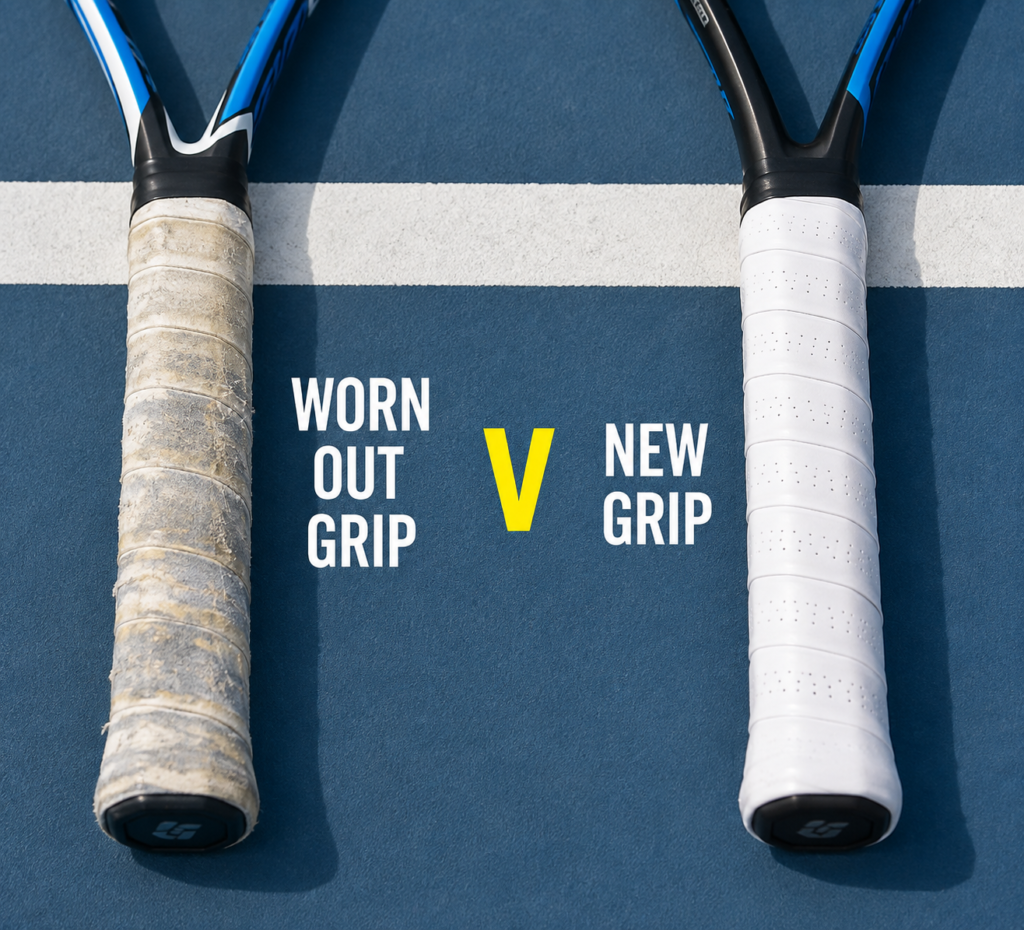
When Should You Replace a Replacement Grip?
Replacement grips don’t need changing very often, but they won’t last forever.
Consider replacing yours if it:
- Feels hard or compressed.
- Has started peeling or tearing.
- No longer provides enough cushioning.
- Has become permanently slippery.
- Has absorbed excessive sweat and dirt.
If your overgrip is worn but the replacement grip still feels comfortable, simply install a new overgrip instead.
Does a Replacement Grip Affect Grip Size?
Yes.
Different replacement grips vary slightly in thickness.
Some are designed to maximise cushioning, while others are intentionally thinner to preserve the shape of the handle.
Changing to a thicker grip can make the handle feel slightly larger.
For more information, see Tennis Grip Size Guide.
Choosing the Right Replacement Grip
Different players value different characteristics.
Comfort
If comfort is your priority, choose a grip with extra cushioning and a softer feel.
Tackiness
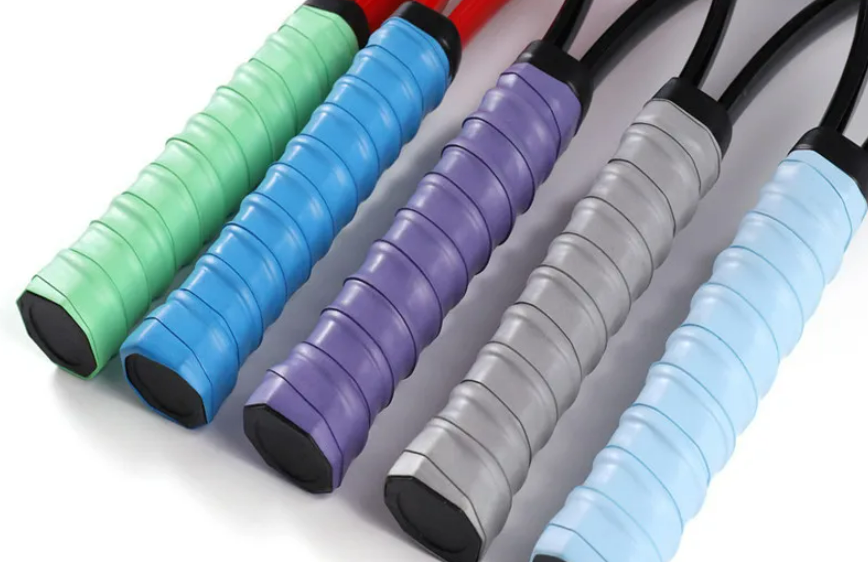
Some grips have a sticky surface that helps prevent the racquet from slipping.
Moisture Absorption
Players who sweat heavily may prefer grips designed to absorb moisture more effectively.
Feel
Some replacement grips are thinner and firmer, allowing players to feel the bevels of the handle more clearly.
How Long Does a Replacement Grip Last?
There’s no single answer because it depends on:
- How often you play.
- Whether you use an overgrip.
- How much you sweat.
- Playing conditions.
Players who always use an overgrip may keep the same replacement grip for many months.
Players who never use an overgrip will usually need to replace it more often.
Can You Install a Replacement Grip Yourself?
Yes.
Most replacement grips are designed for straightforward installation.
The process involves:
- Removing the old grip.
- Cleaning the handle.
- Wrapping the new grip from the butt cap upwards.
- Securing the finishing tape at the top.
With a little practice, replacing a grip only takes a few minutes.
Common Myths
“Replacement grips should be changed every few weeks.”
False.
Most players only replace them occasionally. It’s usually the overgrip that needs frequent replacement.
“All replacement grips feel the same.”
No.
They vary in cushioning, tackiness, thickness and overall feel.
“Using an overgrip makes a replacement grip unnecessary.”
No.
Overgrips are designed to work with a replacement grip, not replace it.
Frequently Asked Questions
What is a replacement grip?
A replacement grip is the main grip fitted directly to the racquet handle, providing cushioning and comfort.
How often should I replace a replacement grip?
Only when it becomes worn, hard or uncomfortable. Many players replace them every few months, depending on how often they play.
Can I use a racquet without a replacement grip?
Technically yes, but it’s not recommended. The handle would be uncomfortable and difficult to hold.
Does a replacement grip increase grip size?
Yes.
Different replacement grips vary slightly in thickness, which can subtly affect grip size.
Should I use an overgrip as well?
Most players do. An overgrip protects the replacement grip, improves grip and is inexpensive to replace.
Final Thoughts
Although it often receives less attention than strings or racquets, the replacement grip plays an important role in how comfortable your racquet feels. It provides the cushioning, shock absorption and secure foundation that every player relies on during a match.
Combined with a quality overgrip, a good replacement grip helps maintain confidence, comfort and consistency every time you step onto the court.
Continue Reading
- Tennis Overgrip vs Replacement Grip
- Tennis Overgrips Explained
- Tennis Grip Size Guide
- How to Choose a Tennis Racquet
- The Complete Guide to Tennis Equipment
Read more of our instructional articles here.
Read more of our player focus articles here.
Follow The Tennis Site on X: @thetennissite
Follow Todd Scoullar on X: @toddscoullar

Comments are closed, but trackbacks and pingbacks are open.